
How to update your brand without starting over
If your brand feels off, it does not necessarily mean you need to burn it down and start fresh. Most solopreneurs who think they need a full rebrand actually need a targeted brand refresh. The difference matters because one protects the brand equity you have already built and the other costs you months of recognition you cannot get back. This post gives you a clear framework for auditing what you have, identifying what is actually broken, and making strategic updates that move your brand forward without starting over.
The difference between a brand update and a full rebrand
A brand refresh and a complete rebrand are not the same thing, and confusing the two is one of the most expensive mistakes a solopreneur can make. Getting your entire organization on the same page about which one you need is the first step toward a brand identity that actually serves your business.
A brand refresh is targeted. You keep the core identity (the brand strategy, the brand story, the core values that define who you are) and you update the parts that are no longer working. Maybe your visual identity feels dated. Maybe your brand voice has shifted since you started. Maybe your color palette no longer reflects the work you do now. A brand refresh addresses those specific gaps without dismantling the entire brand. It is not just a logo swap, it is a strategic decision to keep the brand identity intact while updating the key elements that no longer serve your business.
A complete rebrand is a strategic overhaul. You are rebuilding from the ground up (new brand identity, new positioning, often a new target audience). It is the right move when your business has fundamentally changed direction, when you are entering new markets, or when the existing brand no longer represents who you are at all. A complete rebrand touches everything: your brand logo, your brand guidelines, your messaging, your visual identity, and your digital presence.
Here is how I think about it as a brand designer:
If your brand strategy and positioning still fit your business but the visual expression feels dated or inconsistent, that is a brand refresh. If the strategy itself no longer reflects who you are or who you serve, that is a rebrand.
Most solopreneurs are in the first category, they need to update their brand, not replace it. If you are not sure which category you fall into, these signs your brand no longer fits your business can help you decide. And if the answer is a full rebrand, knowing when it is the right time to rebrand will help you plan accordingly.
Understanding this difference is the first key step. It determines the scope of your rebranding project, the budget, and whether you are protecting the recognition you have built or starting the trust-building process over from scratch.
How to audit what you already have
Before you change anything, you need to know what you are working with. A proper brand audit is the diagnostic step most solopreneurs skip, and it is the reason so many brand refreshes miss the mark. Think of it as market research on your own business and brand identity. You need to understand what is up to date and what has fallen behind before making any changes.
Start with your messaging
Pull up your website, your social media profiles, your email sequences, and your proposals. Read them side by side. Does your brand voice sound like the same person across every touchpoint? Is the core message consistent? Are you still speaking to the same target audience you are actually serving today? Most solopreneurs discover that their messaging has drifted, they wrote their website copy two years ago for a different target audience, and it no longer matches who they are trying to reach now.
Then check your visual identity
Open your website, your Instagram feed, and your marketing materials in separate tabs. Do they feel like the same brand? Is the color palette consistent? Does the typography match? Are you using the same image style everywhere, or does each platform feel like a different brand entirely? Visual inconsistency is one of the clearest signs that your current brand identity needs attention. If your logo looks different across platforms or your old logo is still showing up on some materials, that is a red flag your business cannot afford to ignore.
Ask the harder question
Does this brand still reflect who I am and who I serve? Your business growth may have taken you in a direction you did not expect. The brand you built when you started may no longer represent where you are heading. That gap between who you are now and what your current brand communicates, that is what the brand refresh needs to close. Your brand identity should evolve alongside your business, and when the two fall out of sync, your brand stops working for you.
Use social listening too
Pay attention to how customers describe you versus how you describe yourself. If there is a disconnect, that tells you something important about where your brand is landing versus where you intend it to land.
Document everything you find in more detail than you think you need. The goal is not to judge your existing brand, it is to understand it clearly enough to make strategic decisions about what stays and what changes. A thorough audit keeps your business from wasting money on updates that do not matter.
The parts of your brand worth protecting and keeping
Not everything needs to change. In fact, the most successful brand refresh projects are defined as much by what they protect as by what they update.
Your brand equity lives in the parts of your brand that people already recognise. Maybe it is your color palette, the one clients mention when they describe you to someone else. Maybe it is your brand voice, the way you write that makes people feel like they already know you. Maybe it is a specific visual element that has become synonymous with your work. Those are brand assets worth keeping.
Brand recognition takes time to build. If existing customers can already identify your existing brand from your colors, your logo, or your tone, that recognition is valuable. This is very very important: a brand refresh should strengthen that recognition, not erase it. If you throw away the elements that people associate with you, you are starting the trust-building process over, even if the rest of your updated brand is stronger.
Your core values are another non-negotiable. If your brand story and the values behind your work have not changed, there is no reason to reinvent them. Protecting that authentic brand identity is what keeps your brand feeling real through the transition. The core of your brand (the reason you do this work, the people you serve, the company’s vision behind it all) should carry through the brand refresh, even if the visual expression of those values changes completely.
I tell every business owner to think of it this way: protect the signal, update the noise. The signal is what makes your brand yours. The noise is what is making it harder for the right people to hear that signal clearly.
What to update? The parts that are holding you back
If the audit is the diagnosis, this is the prescription. And in my experience, the parts that need updating fall into three categories almost every time:
Messaging that no longer reflects your offer
This is the most common one, and it can cost your business real opportunities. You have grown, your services have evolved, your positioning has sharpened, but your website and marketing materials still describe the old version. Your brand story reads like it belongs to someone you were three years ago. When new audiences land on your site, they see something that does not match the quality or specificity of what you actually deliver. Fixing this is where most of the value of a brand refresh lives.
Visuals that feel dated or inconsistent
Maybe your logo still works but your color palette feels stale. Maybe your typography was trendy when you chose it but now reads as generic. Maybe your image style has shifted across platforms and nothing feels cohesive. Visual identity updates do not always mean a new logo. Sometimes a refreshed color palette, updated design elements, and a clearer brand aesthetic are enough to make your current brand identity feel relevant again and help your business stay relevant in a changing market.
Positioning that no longer speaks to the right people
Your target audience may have changed. You may be attracting the wrong clients because your brand identity is speaking to the person you used to serve, not the one you want to serve now. This might mean reaching new audiences entirely, or it might mean sharpening your message so it resonates more deeply with the same people. Either way, a brand that does not stay relevant loses its competitive edge. Either way, if your brand is attracting people who are not a fit, the positioning is what needs to shift. More about this in this article.
When you know exactly which of these three areas is the real problem, you can make targeted updates instead of a complete overhaul. That is what makes an effective brand refresh!
Fix your message before you fix your visuals
This is the section I wish every solopreneur would read twice. Because the single most common mistake I see is someone updating their logo, refreshing their color palette, and redesigning their website...while the underlying message stays exactly the same.
Here is what actually happens. The new brand looks better. It feels more polished. But the same wrong people keep showing up, and the right people still scroll past. Your business does not grow just because the logo is prettier. The visual identity changed, but the brand strategy behind it did not. And without a clear brand strategy and a communication style that speaks directly to your today’s audience, even the most beautiful brand refresh will underperform.
Your messaging is the engine. Your visuals are the paint. If the engine is not working, a new coat of paint is not going to fix it. A strong brand starts with clarity about who you serve, what you offer, and why it matters: your core identity. Everything else flows from that.
That is why I always tell my clients to start with the message. Get clear on your brand voice. Revisit your brand story. Make sure your communications strategy speaks to the people you want to reach, not the people you used to reach. That clarity is what makes a successful brand refresh actually move the needle on business growth.
Once your message is clear, the visual updates become dramatically easier, because you know exactly what those visuals need to communicate. You are not guessing at colors and fonts anymore. You are making design elements serve a clear strategic purpose, and that is what creates a consistent brand identity that does real work for your business. When you update your brand from the message out, every visual choice has a reason behind it.
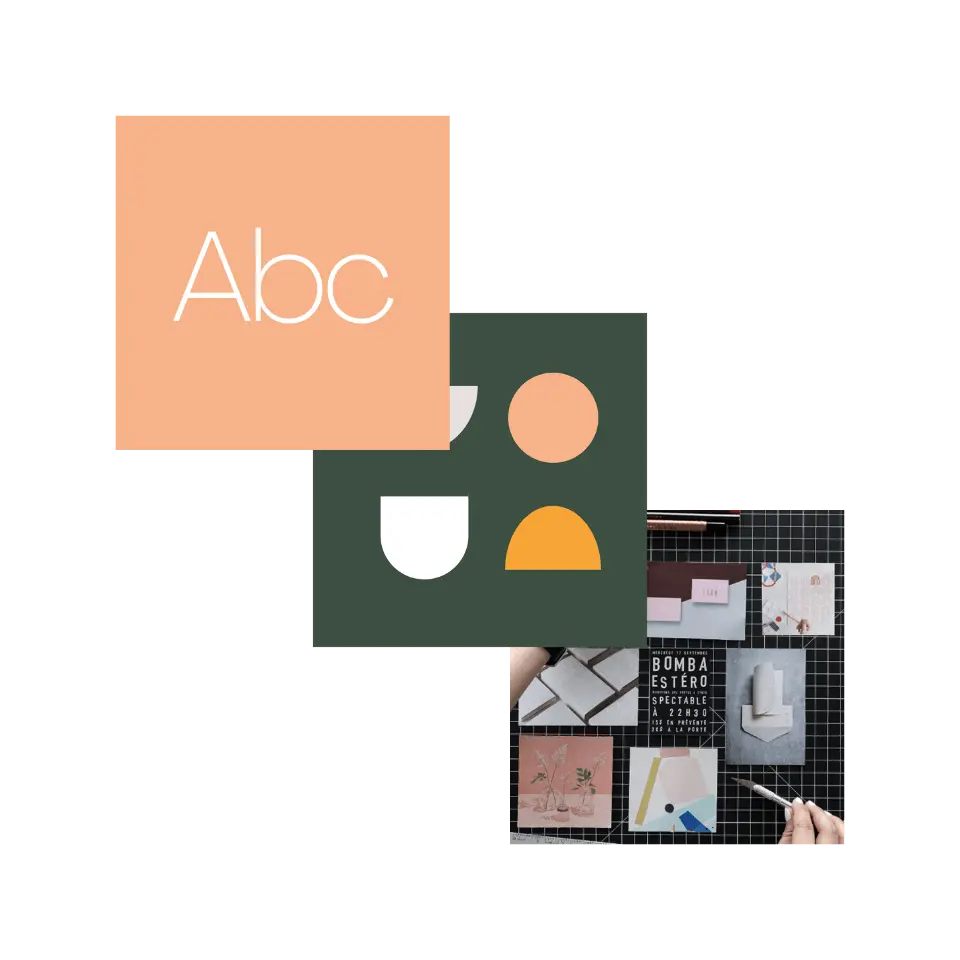
How to update your visual brand without losing recognition
Once your message is clear, you can move into the visual brand refresh. The goal here is not reinvention. You want your updated brand to feel like a natural evolution of your business, not a completely new brand that confuses customers. Your brand identity should look like it grew up, not like it changed owners.
Start with your color palette
If your existing colors still resonate but feel a little flat, try refreshing them rather than replacing them. Adjust the saturation, add a secondary palette, or introduce an accent color that brings the brand color palette forward. Small shifts in color can make a brand feel significantly more current without losing the recognition your existing audience already has.
Update your typography
Swapping a dated font for a cleaner, more modern option is a high-leverage update. It can shift the entire brand aesthetic, and it is one of the easiest changes to implement across all your touchpoints. Just make sure you document the new typography in your brand guidelines so you stay on brand across every platform.
Refine your logo carefully
Your logo is the most sensitive piece. If it still works conceptually, consider a refinement rather than a complete redesign, retiring an old logo that has served your business well deserves care. Many of the most successful brand refreshes in history have involved subtle logo updates (cleaner lines, simplified details, better proportions) that kept the recognition while modernizing the execution. Updated logos that honor the original always land better than a new brand logo that comes out of nowhere. The same style of thinking applies: evolution, not revolution.
Bring it all together with a brand guide
Your brand guidelines are the document that ensures consistency going forward. They define how every visual element works together (your logo usage, your color palette, your typography, your image style, your design elements) so that your updated brand shows up the same way everywhere. Without brand guidelines, even the best brand refresh falls apart within weeks because there is no system holding it together.
The key to visual updates is incremental change. You can refresh your brand without your existing customers feeling like they have landed on the wrong website. That is the sign of a successful brand refresh: it feels better, but it still feels like you.
How to roll out a brand update without confusing your audience
Most solopreneurs overthink the rollout. They worry about the announcement, the timing, the response from existing customers. In reality, a brand refresh rollout can be much simpler than you think.
Update every touchpoint at once
The first step is to get everyone on the same page and update your touchpoints consistently. Your website, your social media profiles, your email signature, your marketing materials, your proposals... update them all within a tight window. External audiences will notice if your business shows one brand identity on your website and a different one on social media. The worst thing you can do is update your website but leave your Instagram looking like the old brand. That kind of inconsistency undermines the whole point of the brand refresh and can confuse customers who interact with you across multiple platforms.
You do not need a grand announcement. A simple post or email explaining that you have refreshed your brand (with a sentence or two about why) is more than enough. Most of your audience will barely notice the change if it is well executed, and that is actually a good sign. It means you updated the brand without breaking the recognition you had built.
If people ask, keep it brief and confident. Something like: the brand has evolved to better reflect the work I do now. That is it. You do not need to justify a brand refresh, you just need to ensure consistency across every place your brand shows up.
Make the transition seamless for existing customers
For your existing customers, the transition should feel seamless. They should see the same brand story, the same core values, the same brand voice, just in a cleaner, more current visual package. If the brand refresh is well executed, your existing audience will feel like the brand has grown up, not changed direction.
Give it a few weeks to settle. Not every touchpoint will be perfect on day one, and that is fine. The goal is to get the major platforms on brand quickly and refine the details over the following weeks as you bring every piece into better alignment.
Signs your brand update is working
You do not need a marketing strategy dashboard to know your brand refresh is working. The signals are more human than that, and they show up faster than most solopreneurs expect. A brand that helps your business stay relevant will make itself known through the quality of attention it attracts.
The first signal is alignment
The requests coming in feel more on brand : people are reaching out for the right reasons, asking about the right services, and already understanding what you do before the first call. When your updated brand is doing its job, you spend less time explaining and more time connecting. That shift is one of the clearest indicators of a successful brand refresh.
The second signal is confidence
You feel proud sharing your website again. You stop hesitating before sending your link. You stop second-guessing every design decision because the brand guide is there to anchor you. That confidence changes the way you price your work, the way you pitch yourself, and the way you show up on calls. It sounds intangible, but it has real consequences for business growth and customer trust. A strong brand identity gives your business the credibility it needs to attract new businesses and partnerships you could not reach before.
The third signal is recognition
People start to mention your brand positively without being asked. They recognize your color palette in a feed. They know your visual identity before they see your name. Brand recognition is one of the most valuable forms of brand equity, and it only compounds over time when you make sure there's consistency across every touchpoint.
And here is a subtler one: the feedback matches the intention. If you built your brand refresh to feel more elevated and expert, and clients describe you that way without prompting, that is a strong brand in action. Your brand story, your brand voice, and your visual identity are all pointing in the same direction.
If you are not seeing these signals yet, it does not always mean the brand refresh failed. Sometimes it means you need to look at which piece is not landing (your message, your visuals, or your consistency) and make a targeted adjustment rather than starting over. A brand is constantly evolving, and the willingness to refine is what keeps your business future proof. The brands that last are the ones that update your brand regularly enough to stay relevant without losing what made them recognizable in the first place.
You are closer to a brand that works than you think
If you are reading this post and starting to see where your current brand needs attention, you have already done the hardest part: getting honest about what is and is not working. The next step is a structured audit that shows you exactly where to focus your rebranding efforts.
The Rebrand & Refresh Guide is a free download that walks you through that audit step by step, so you can update your brand with clarity and confidence, without starting over.