
Small Business Branding Services: What They Include and Where to Start
Small business branding is the process of defining how your business looks, sounds, and feels to the people you want to reach and it starts with strategy, not a logo. When the foundation is solid, every visual and messaging decision becomes easier and your brand does the selling before you ever get on a call. Most small business owners skip the strategy step. That's the mistake this post helps you avoid.
What is small business branding?
Small business branding is the process of defining how your business looks, sounds, and feels to the people you want to reach. Building a strong first impression with customers goes beyond a logo. It includes your visual identity, your messaging, your brand voice, and the strategy that ties all of it together.
For solopreneurs and small business owners doing this themselves, branding is the work that happens before any design decisions get made. It's getting clear on who your customers are, what you stand for, and why customers should choose your company over everyone else offering something similar.
When that foundation is solid, every other decision (your colors, your fonts, your website copy, your social media presence) becomes easier. Without it, you end up with a brand identity that looks fine but doesn't feel like you and doesn't connect with your target audience.
Your brand story, brand messaging, and brand personality all stem from this foundation. Brand development is the whole process of shaping how your company shows up in the world, from your business name to the way you talk about what you do.
Why does small business branding matter?
A strong brand is what creates a strong first impression and turns a stranger into a paying client. For small businesses without a marketing budget or a sales team, your brand does the selling for you, before you ever get on a call or send a proposal.
In crowded markets, potential customers and consumers make snap judgments. Brand recognition is what makes them pause. Great branding with an effective digital strategy helps establish trust and drive more sales across every social media platform and marketing channel you use.
It builds trust before people talk to you
People make snap judgments about businesses based on how they look online. A cohesive brand identity (consistent colors, professional logo design, clear messaging) signals credibility. When your brand looks put together, potential clients assume your work is put together too.
It makes your business recognizable
Recognition comes from repetition. When your visual identity stays consistent across your website, social media, and marketing materials, people start to remember you. That recognition builds familiarity, and familiarity builds trust. A strong small business brand creates that loop.
It gives your digital marketing a clear direction
Without a brand strategy, marketing becomes guesswork. You post without a consistent voice, change your colors every few months, and nothing compounds. A defined brand gives every piece of content, every email, and every client touchpoint a clear direction. Your marketing efforts work harder because they're all saying the same thing.
What do small business branding services include?
Small business branding services typically cover everything needed to build a complete, cohesive brand , from the strategic thinking to the visual execution. If you're a solopreneur thinking whether to hire a branding professional or handle it yourself, here's what the process usually involves.
Brand strategy
Brand strategy is the foundation. It defines your positioning, your target audience, your brand values, and your messaging framework. This is the piece most founders skip and it’s the piece that makes everything else work. A branding agency or designer worth hiring will start here before touching any visuals.
Logo design and visual identity
Logo design is what most people think of when they hear "branding," but it's only one piece. Visual identity includes your logo, your color palette, typography choices, imagery style, and how all of those elements work together. Good branding services create a visual system, not just a single mark.
Color palette and typography
Your color palette and typography set the visual tone of your brand. They affect how customers feel when they interact with your business, before they read a single word. Branding services help you choose colors and fonts that align with your brand strategy and appeal to your target audience, rather than just picking what looks nice on Pinterest.
Brand guidelines
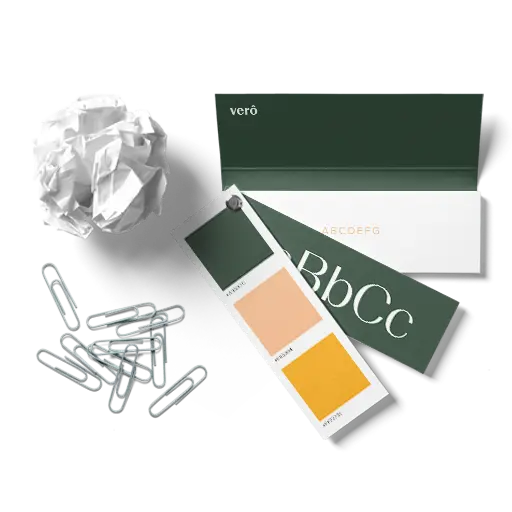
Brand guidelines document all of these decisions in one place: logo usage rules, color codes, font pairings, voice and tone, and how to apply them across different platforms. For solopreneurs, brand guidelines keep you consistent even when you're moving fast. They're the reference you check before creating anything new. Whether you hire a professional or build your brand yourself, brand guidelines are what make the investment last.
A brand style guide gives your teams, or any freelancer you hire a single reference point. Without it, every new person who touches your brand introduces inconsistency.
How to start branding your small business
You don't need a full rebrand to start building a stronger brand. Most small business owners overthink this step. The goal is to create a foundation you can build on, not a final product that never changes.
Define your brand strategy first
Brand strategy comes before any visual work. It means getting clear on who your customers are, what you offer, and how you want to be known. Without this, your logo, colors, and website are just decoration.
Good brand strategy starts with market research. Understanding your industry, your customer base, and what your company uniquely offers helps you define a vision that resonates. Most startups skip this step, and it shows.
Start by writing down who your ideal client is, what problem you solve for them, and what makes your approach different. That's your brand strategy in its simplest form.
Tie your brand strategy to your business goals. Every brand design decision should connect back to what you're trying to achieve and who you're trying to reach.
If your goal is to attract higher-paying clients, your brand design and messaging should reflect that positioning. Every brand design decision, from your website layout to your proposal template, should connect back to what you're trying to achieve.
Build your brand identity around your strategy
Once your brand strategy is clear, your visual identity should reflect it. Your logo design, color palette, and typography all need to support the message you're trying to communicate.
Your business name, logo, and overall visual system should work together across every touchpoint, from product design to your website to social media. Even ui design choices on your site should reflect your brand personality.
If you're working with a branding agency, they'll translate your strategy into visuals. If you're doing it yourself, use your strategy document as a filter for every design decision.
Create brand guidelines to stay consistent
Brand guidelines keep everything cohesive as your business grows. They document your logo usage, brand colors, fonts, tone of voice, and messaging so that every touchpoint looks and sounds like the same business.
A brand style guide is essentially your brand guidelines in action. It gives you, your team (or any freelancer you hire) a reference so that nothing drifts off-brand over time. Think of it as your brand's operating manual.
Even a simple one-page brand guide is better than none. Consistency is what turns a small business brand into a recognizable one.
Common small business branding mistakes
Most small business branding mistakes aren't about bad taste. They're about skipping steps or making decisions without a strategy behind them.
Starting with a logo before defining a brand strategy
This is the most common mistake. A logo without brand strategy behind it is just a graphic. It won't help you attract the right clients or communicate what makes your business different. Strategy always comes first.
Being inconsistent across platforms
Your brand identity needs to look and sound the same everywhere: your website, social media, proposals, invoices, packaging. When things don't match, it chips away at trust. Customers notice more than you think.
This applies to social media platforms, email, your website, packaging, and even how you answer the phone. Consistency across these touchpoints is what separates a professional brand from a forgettable one.
Trying to appeal to everyone
When your brand tries to speak to everyone, it connects with no one. The strongest small business brands are specific. They know exactly who they're for and they lean into that.
P.S. If your brand exists but the wrong people keep finding you, this is usually why.
Underestimating the budget for branding services
Branding services are an investment, not an expense. Cutting corners on brand identity usually means redoing the work later when your business outgrows what you started with. Set a realistic budget based on where your business is headed, not just where it is today.
Should you DIY your branding or hire a professional?
This depends on where you are in your business. If you're just starting out and funds are tight, a do-it-yourself approach with a solid framework can get you surprisingly far. The key is to follow a real branding process, not just pick colors you like and call it done.
Hiring a branding agency or brand designer makes sense when you've outgrown your current brand, when you're attracting the wrong clients, or when your business has grown beyond what a DIY brand can support. A professional brings outside perspective and design expertise that's hard to replicate on your own.
If you're somewhere in between, a guided Branding Toolkit can bridge the gap. You get the structure of a professional branding process with the flexibility to work at your own pace and budget. Either way, the goal is a brand identity that works harder than a logo on a business card.
Not ready to hire a designer yet, but ready to stop piecing it together?
The Branding Toolkit gives you the same process a brand designer would use, built for founders who want to do it properly without the agency price tag. Get the Branding Toolkit →
Q&As
How much do small business branding services cost?
Branding services for small businesses typically range. The cost depends on what's included: logo design alone is cheaper than a complete brand strategy with visual identity, brand guidelines, and web design. Get clear on what you need before comparing prices.
A simple logo and basic brand style guide from a freelancer might start around $500. Basic small business branding services focused on logo design and color palettes typically cost between $1,000 and $5,000. Comprehensive branding that includes brand strategy, messaging, and visual identity can range from $5,000 to $25,000 or more. Full-service agencies that handle everything from naming to packaging design to digital campaigns often charge $25,000 to $50,000. What influences the branding service cost? The agency's experience, scope of work, and number of deliverables.
What's the difference between branding and marketing?
Branding is the foundation. It's your brand identity, brand strategy, visual identity, and how you want to be perceived. Marketing is how you get your brand in front of people through digital marketing, social media, content, and advertising. You need branding first. Marketing without a clear brand behind it wastes money.
How long does it take to brand a small business?
A basic brand identity with logo design, color palette, typography, and brand guidelines takes two to six weeks when working with a professional. A full brand strategy with visual identity and web design can take two to three months. Do-it-yourself branding can be done faster, but only if you follow a structured process.
Can I rebrand my small business without starting over?
Yes. Most rebrands are evolutions, not revolutions. You can update your visual identity, refine your brand strategy, or modernize your logo design without losing the equity you've built. The key is knowing what's working and what isn't before you change anything. A good place to start, if I may: Signs your brand no longer fits your business
Do I need a branding agency or can I work with a freelancer?
Both can deliver great results. A branding agency typically offers a broader range of branding services including brand strategy, visual identity, web design, and digital marketing. A freelance brand designer might specialize in logo design and visual identity. Focus on what your small business brand actually needs right now.
When choosing a branding agency, look at their portfolio to see if their brand design style matches what you're going for. Ask about their branding process and how they handle revisions. A good agency will start with brand strategy and market research before jumping into design. Check client testimonials and case studies from businesses in your industry. The right fit matters more than the biggest name.
What makes a small business brand stand out?
A strong small business brand stands out by being specific and consistent. It communicates a clear value to its audience across every channel: from the website to packaging to how the company answers the phone. Build brand recognition by showing up the same way everywhere for a while, and making sure your brand messaging speaks directly to your customer base rather than trying to reach the whole world.