

If your business name has a hero word (the one word people actually remember) and a couple of supporting words that exist for context, the Hierarchy Split is the structure that makes it work.
It treats the logo accordingly: hero word dominant, supporting words present but quiet, all in one clean typeface.
This page covers what the approach is, how to construct the weight relationships, and how to know whether yours is reading correctly.
The next decision? Your font.
I'll slide into your inbox for the next few days with 3 steps to choose the right font for your logo.
When this approach fits
The Hierarchy Split fits when one word in your name carries the brand and the other words are context. If you ask "what's the one word people remember?" and the answer is obvious, you probably need this structure. It also fits names that begin with "The"… articles almost always recede in this approach, so the brand can do the work.
When this isn't your approach
If every word in your name carries equal weight, the Stacked Layout fits better. If your name is a personal name plus a descriptor, the Anchored Wordmark is closer.
A worked example
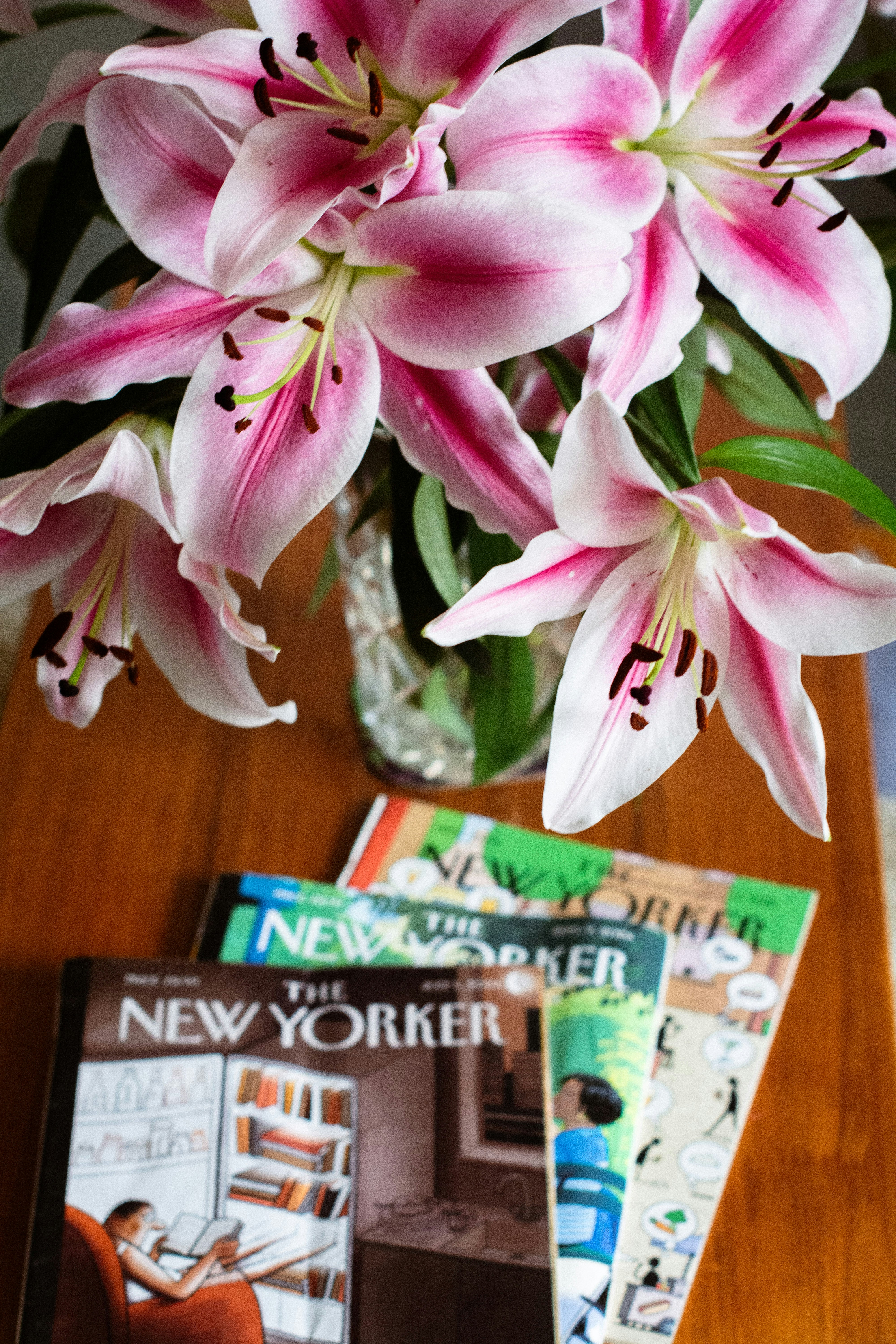
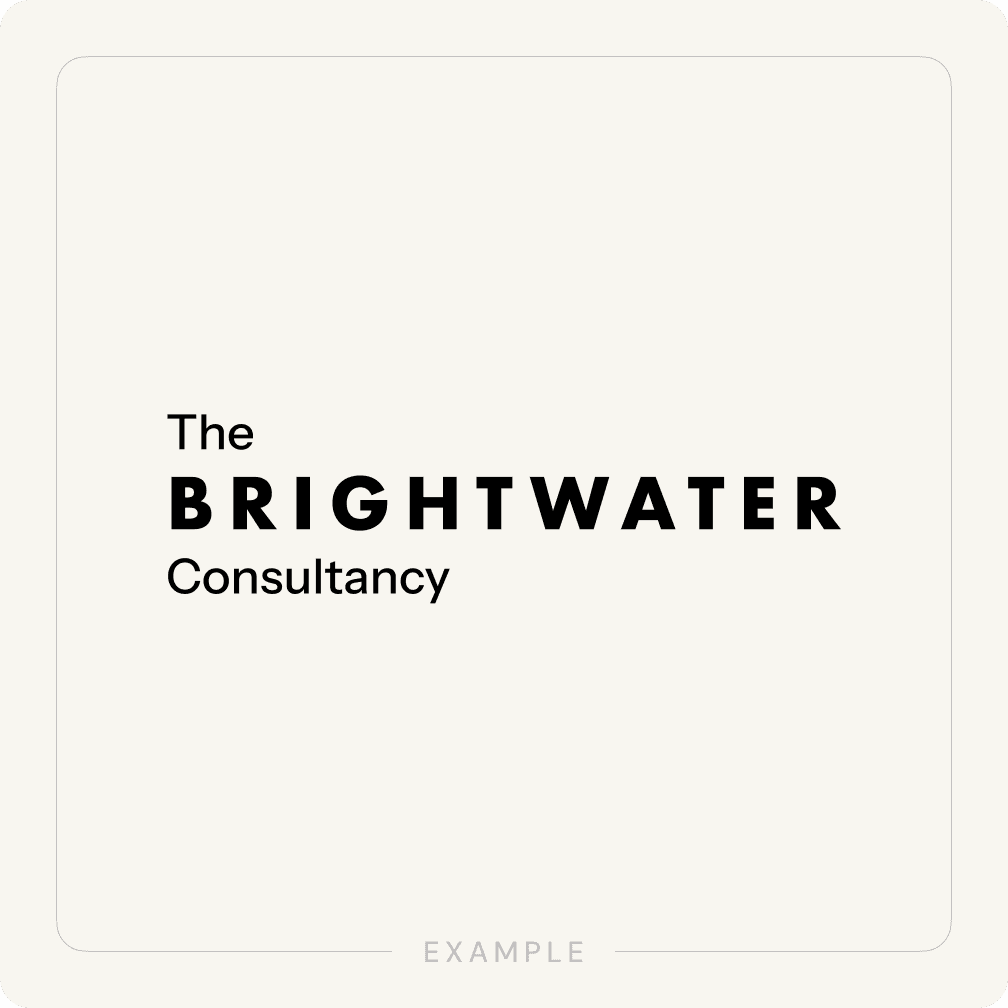
For "The Brightwater Consultancy," I set "BRIGHTWATER" in a tall, bold-weight sans-serif at full size. Tuck "the" above in a tiny sans-serif. Sit "consultancy" underneath in the same tiny sans-serif. The eye reads "Brightwater" first and the context registers second. The full name is technically there, but visually, the brand is one word. It's the same pattern publications like The New Yorker and The Atlantic use. The article recedes, the brand word carries the identity.
How to build yours
Set the hero word at full size and weight. Set the supporting words 30 to 50 percent smaller, positioned above, beside, or below. Use weight contrast (bold versus light) rather than size alone to do the hierarchy work. Keep one typeface throughout. The most common mistake is using only size to differentiate the words, size alone makes the supporting words feel like an afterthought instead of intentional context. Weight contrast is what makes them feel like they're doing a quieter job on purpose.
Your next decision: the logo typeface
I'll slide into your inbox for the next few days with 3 steps to choose the right font for your logo.
Three tests to check if it works
Read the logo at a glance. Which word did you see first? If it wasn't your hero word, your weight contrast isn't strong enough.
Shrink it to 40 pixels. Can you still read the hero word? The supporting words can disappear at small sizes, but the hero word never should.
Cover the supporting words. Does the hero word feel like a complete logo on its own? It should. That's the version you'll use most often.