
How to announce your new logo on social media

How to announce your new logo on social media

headshot of brand designer

By Vero

Witten by Vero

Written by Vero

How to announce your new logo on social media

headshot of brand designer

Written by Vero

How to announce your new logo on social media

headshot of brand designer

Written by Vero

The TLDR

When you announce a new logo, you have two options: show the before and after together, or let the new logo stand alone.

If your rebrand represents gradual growth, the comparison tells a compelling story. If you're making a clean break, let the new identity speak for itself. Either way, make sure the new logo is one you're committing to. Changing it again too soon is what breaks brand recognition.

So here you are - you’ve rebranded and now you’re ready to share it with the whole world!

Rebranding is a key moment for any business. It shows growth, evolution, and a renewed commitment to your audience. One of the main elements in any rebranding effort is introducing your new logo. This symbol not only represents your brand’s identity but also sets the tone for your future direction. The question is though… Should you include your old logo when you launch the new one on social media?

The short answer is, it depends on your goal! Here are some benefits and considerations of both approaches to help you make an informed decision for your big reveal.

a before and after comparisson of a logo design

Make sure the new brand is right before you go public.

Make sure the new brand is right before you go public.

The free guide helps you audit your foundation first, so you're launching something you'll keep.

The free guide helps you audit your foundation first, so you're launching something you'll keep.

Why include your old logo?

Including your old logo in your new logo announcement on social media can be a powerful tool to engage your audience on what’s to come. It serves as a direct comparison that highlights just how much your brand has evolved. Here are a few reasons to go this route:


1. The visual impact:

Including your old logo in your new logo announcement on social media can create a compelling visual impact. Showing a side-by-side comparison of the old and new logos allows your audience to see the evolution of your brand at a glance. This contrast not only highlights the improvements and updates but also visually communicates the growth your brand has gone through.

Here’s what you can do: a before and after IG Story!

Your old logo tells a story of where you have been, and the new logo signifies where you are going. Together, they narrate the journey of your brand’s evolution, making your story richer and more relatable. A side-by-side comparison of the old and new logos can visually communicate the changes your brand has undergone. This contrast can make the improvements more apparent and impactful. Make it a highlight so that other new followers can refer to as they come along. Don’t be afraid to include some copy along with the visuals - explain your new mission, vision and intention.
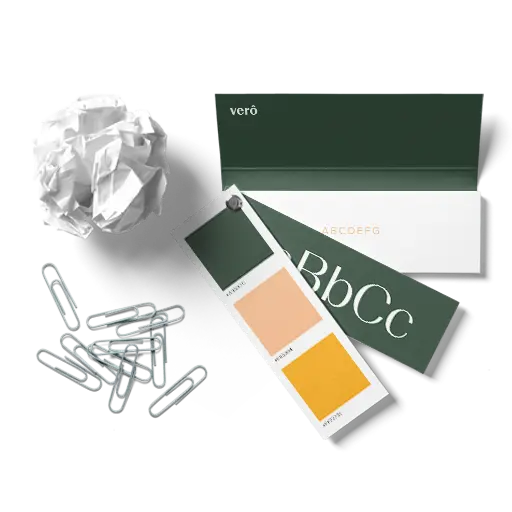
Not sure your new brand will stick this time?

Start with the foundational work that makes every visual decision feel right.

2. The engagement:

Inviting your audience to comment and share their thoughts can increase your engagement online. It provides a platform for followers to express what the old logo meant to them and how they feel about the new design.

In fact, 91% of consumers are more likely to make a repeat purchase after a positive experience, highlighting the importance of engaging your audience positively during such transitions.

Explaining why you chose to rebrand in the first place and what the new logo represents can educate your potential clients about your brand values and vision, deepening their connection to your business.


logo design for brooke raybould


Why focus just on the new logo, not the old one?

Sometimes, focusing just on the new logo without referencing the old one can be just as powerful. This approach can give your brand a fresh start, presenting only the new logo and avoiding any attachments to the old design. By doing so, the new logo stands on its own, offering unbiased impressions to your audience.

For brands making drastic changes, this method can help in creating a clean slate, giving distance to the new branding from any negative connotations or preconceived notions associated with the previous identity. This can be particularly beneficial in establishing a clear, forward-looking direction for your brand.

Here’s what you can do: make it simple and clear!

By showcasing only the new logo on its own, you simplify the message, allowing customers to focus specifically on the future direction of the brand. This approach helps to streamline communication, as there is no need to explain the transition from the old logo to the new one. This can emphasize the benefits and reasons behind the new design.


An example: Airbnb

When Airbnb rebranded in 2014, they introduced their new "Bélo" logo without prominently referencing the old one. This strategy allowed them to highlight their new identity and focus on their vision for the future, without the baggage of past designs. This approach can be particularly effective in ensuring that your audience fully embraces and understands the new direction your brand is taking. This approach was particularly effective in ensuring that the audience fully embraced and understood the new direction Airbnb was taking, focusing on a sense of belonging and community.


coca cola logo


Do It the Right Way: The Importance of Logo Recognition

In today’s very noisy, busy online world, having a recognizable logo is super important for driving consumer behavior. A study found that 50% of consumers are more likely to buy from a company whose logo they easily recognize. This statistic shows the importance of designing a logo that not only stands out but also sticks in the minds of your audience.

So, before you reveal the new logo online, make sure it’s something you’ll be sticking with for a while so that you can build brand recognition with your audience for the long-term.

(Still tweaking your logo, right at the last minute? Head this way to Get Your Brand Together.)


brand designer drinking from cup


A new logo is only as strong as the brand behind it.

If you're announcing a rebrand but still feel unsure about whether your new identity truly reflects your business, that's worth pausing on. Before You Design Anything walks you through the foundational work that makes every visual decision feel right, so you're not back here again in a year. Start with Before You Design Anything →

2. The engagement:

Inviting your audience to comment and share their thoughts can increase your engagement online. It provides a platform for followers to express what the old logo meant to them and how they feel about the new design.

In fact, 91% of consumers are more likely to make a repeat purchase after a positive experience, highlighting the importance of engaging your audience positively during such transitions.

Explaining why you chose to rebrand in the first place and what the new logo represents can educate your potential clients about your brand values and vision, deepening their connection to your business.


logo design for brooke raybould


Why focus just on the new logo, not the old one?

Sometimes, focusing just on the new logo without referencing the old one can be just as powerful. This approach can give your brand a fresh start, presenting only the new logo and avoiding any attachments to the old design. By doing so, the new logo stands on its own, offering unbiased impressions to your audience.

For brands making drastic changes, this method can help in creating a clean slate, giving distance to the new branding from any negative connotations or preconceived notions associated with the previous identity. This can be particularly beneficial in establishing a clear, forward-looking direction for your brand.

Here’s what you can do: make it simple and clear!

By showcasing only the new logo on its own, you simplify the message, allowing customers to focus specifically on the future direction of the brand. This approach helps to streamline communication, as there is no need to explain the transition from the old logo to the new one. This can emphasize the benefits and reasons behind the new design.


An example: Airbnb

When Airbnb rebranded in 2014, they introduced their new "Bélo" logo without prominently referencing the old one. This strategy allowed them to highlight their new identity and focus on their vision for the future, without the baggage of past designs. This approach can be particularly effective in ensuring that your audience fully embraces and understands the new direction your brand is taking. This approach was particularly effective in ensuring that the audience fully embraced and understood the new direction Airbnb was taking, focusing on a sense of belonging and community.


coca cola logo


Do It the Right Way: The Importance of Logo Recognition

In today’s very noisy, busy online world, having a recognizable logo is super important for driving consumer behavior. A study found that 50% of consumers are more likely to buy from a company whose logo they easily recognize. This statistic shows the importance of designing a logo that not only stands out but also sticks in the minds of your audience.

So, before you reveal the new logo online, make sure it’s something you’ll be sticking with for a while so that you can build brand recognition with your audience for the long-term.

(Still tweaking your logo, right at the last minute? Head this way to Get Your Brand Together.)


brand designer drinking from cup


A new logo is only as strong as the brand behind it.

If you're announcing a rebrand but still feel unsure about whether your new identity truly reflects your business, that's worth pausing on. Before You Design Anything walks you through the foundational work that makes every visual decision feel right, so you're not back here again in a year. Start with Before You Design Anything →

Q&As

  • Why should I include my old logo?
    Include your old logo when your rebrand represents growth or evolution. A side-by-side comparison helps your audience understand the journey, builds engagement, and makes the change feel intentional rather than abrupt.


  • When is it better to focus only on the new logo?
    When you're making a clean break. Distancing from negative associations, entering a new market, or completely repositioning your business, for example. A fresh introduction lets the new identity stand on its own without the weight of what came before.


  • What should my new logo communicate?
    Lots of things: your core values, your positioning, and where your business is headed. It should feel immediately recognizable as yours, not borrowed from a trend or a template. If you have to explain what it means every time, the design isn't doing its job yet.