
What is brand identity and how to build yours as a solopreneur
Brand identity is the complete system of strategic and visual decisions that shapes how your brand is perceived: from your positioning and brand voice to your logo, colors, and typography. Most solopreneurs build the visual layer first and the strategic layer never, which is why their brand feels inconsistent even when individual elements look polished. The right order is strategy first, voice second, visuals third and this post walks you through all of it.
Maybe you have a logo, a color palette, maybe even a font you like, but something still feels off... your brand does not feel cohesive. Every new piece of content requires a fresh set of decisions, and nothing quite looks like it belongs together. The problem is not that you need better design, it's that you do not have a brand identity, you have a collection of visual choices made without a system underneath them.
Brand identity is the complete set of strategic and visual decisions that communicates who your brand is, what it stands for, and who it is for. It is not just a logo. It is not just colors. It is the system, from positioning and brand voice to typography and photography style, that shapes how customers perceive you before they ever speak to you. Most solopreneurs build the visual layer first and the strategic layer... never. This post shows you the right order: what brand identity actually includes, why strategy comes before design, and how to build a brand identity from scratch that works as a coherent system.
What brand identity actually is
Brand identity is the deliberate system of visual and verbal elements that defines how a brand presents itself to the world. It includes everything from brand strategy and positioning to logo design, color palette, typography, imagery, brand voice, and tone of voice, all working together as a unified system that shapes consumer perception at every touchpoint.
The key word is system. A strong brand identity is not a collection of isolated design choices made in different weeks by different people. It is an integrated set of brand elements where every decision reinforces every other decision.
Your brand colors support the same emotional message as your brand voice. Your visual style communicates the same positioning as your value proposition. Your brand guidelines hold the whole thing together so it stays consistent over time.
For solopreneurs, brand identity is especially significant because it does the work you cannot do at scale. You do not have a marketing department introducing your brand in every room. Your brand identity is what introduces you, on your website, your social media presence, your marketing materials, and every other place a prospective customer encounters your brand before they ever reach out.
A clearly defined brand identity makes your brand memorable, builds brand trust, and tells the right people exactly what you do and who you do it for. Every time customers interact with your brand, through your website, your social media, or your content, the brand identity shapes whether they stay or leave. That clarity is what makes brand identity important for business success. It turns your brand into a marketing strategy, not just a design project.
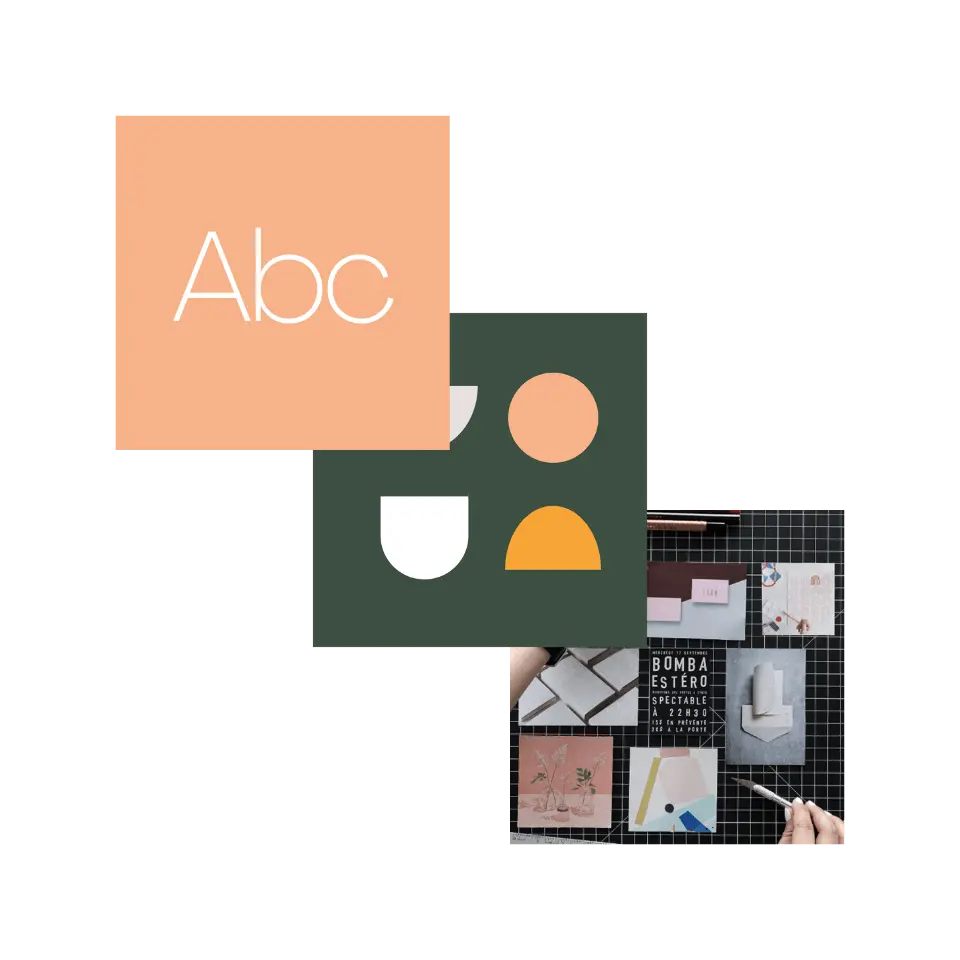
Brand identity vs branding, what's the difference?
Branding is the process. Brand identity is the output. This is a distinction that matters because confusing the two leads to skipping steps.
Branding is everything you do to shape perception: the market research, the strategic decisions, the design execution, the ongoing brand management that keeps everything aligned as your brand evolves. It is an active, ongoing effort that does not end when the logo is finished.
Brand identity is the tangible system that results from that process, the specific visual and verbal elements you have decided on, documented, and use consistently. It is the concrete output of your branding work: your logo, your brand colors, your typography, your brand voice, your brand guidelines. When someone asks "what does your brand look like and sound like?" – the answer is your brand identity.
If you start building brand identity elements without doing the branding work first you end up with a visual identity that looks professional but communicates nothing specific. The visual style is polished, but the brand identity has no strategic backbone. Understanding your branding essentials before you start designing is what prevents this.
Brand identity vs brand image, what's the difference?
Brand identity is what you put out. Brand image is what people perceive. You control your identity. You influence but do not control your image.
Brand identity is the set of deliberate choices you make about how your brand presents itself: the logo, the brand colors, the verbal identity, the visual elements. Brand image is the impression that forms in someone's mind after they encounter those elements in the real world. It is shaped by your brand identity, but also by customer service tone, word of mouth, customer satisfaction, and every other interaction a person has with your brand.
The gap between brand identity and brand image is where most brand problems live. When what you intend to communicate and what customers perceive do not match, that is usually a brand identity problem. Either the brand identity elements are not clear enough, not consistent enough, or not strategically grounded.
This gap is also the difference between brand identity and corporate identity. Corporate identity focuses narrowly on how a company presents itself visually, while brand identity encompasses the full strategic and emotional system that shapes consumer perception. Closing that gap is the real work of brand building, and it starts with making sure your brand identity is built on a strong brand strategy, not just visual preferences.
What brand identity includes
This is the most important section of this post because it defines what you are actually building. Understanding what is brand identity in full (not just the visual layer) requires knowing all the key elements that make up the system. Brand identity refers to both the strategic decisions and the tangible assets that express them. A complete brand identity includes both strategic and visual elements, and the strategic ones come first because they inform every visual decision that follows.
Brand strategy
Brand strategy is the strategic layer that gives every other brand identity element its direction. It includes your positioning: what you do, who you do it for, and what makes your brand unique in a crowded market. It includes your target audience and target customers, defined specifically enough that your brand elements can speak directly to them and meet customer expectations. It includes your brand value and value proposition: the clear articulation of what someone gets from choosing you. It includes your brand story, the narrative that explains why your brand exists and what your brand stands for. And it includes your brand attributes and brand personality: the specific traits that define how your brand shows up. Brand strategy is not optional. It is the part that makes brand identity design coherent rather than random. Your business strategy, your marketing strategy, and your brand strategy should be deeply connected, one informs the other.
Brand voice and verbal identity
Brand voice and verbal identity define how your brand sounds. Your brand voice is the consistent personality that comes through in everything you write and say, no matter where. Your tone of voice is how that voice flexes depending on context (warmer in a welcome email, more direct on a sales page). Your brand's tone and communication style are brand identity elements just as much as your logo is. Most solopreneurs skip this entirely, and it is one of the reasons their brand identity feels inconsistent even when the visual elements look polished. If you have not defined your brand voice yet, that is one of the first places to start. Your brand ethos, what your brand believes and how those beliefs shape your communication, is the deeper layer underneath your voice.
Logo and logo system
Logo and logo system are the most visible brand assets in your identity. Your logo design should be a strategic expression of your brand, not a decorative mark. A strong brand identity includes a primary logo plus variations (horizontal, stacked, icon-only) with clear rules for how and where each is used. The logo is the single most recognizable brand element you own, but it is just a logo without the system around it. Understanding the difference between a brand designer vs graphic designer matters here. A brand designer builds the entire system, not just the mark.
Color palette
Color palette is one of the most emotionally immediate brand identity elements. Your brand colors communicate mood, energy, and positioning before a single word is read. A complete brand identity documents every color with hex codes, RGB values, and print specifications, and explains why each color was chosen, not just what it is. If you are still choosing colors, the how to choose brand colors blog post walks through the decision in detail.
Typography
Typography shapes how your brand feels in text. Your font choices, pairings, and hierarchy are brand assets that carry your visual identity across every piece of content you create. The right typography reinforces your brand personality (elegant, bold, approachable, authoritative) while the wrong choice creates a disconnect between what your brand says and how it looks.
Imagery and visual style
Imagery and visual style include your photography style, illustration approach, graphic elements, and any other visual branding that appears alongside your logo and typography. This is where most brand identities become inconsistent, solopreneurs document their colors and fonts but leave their brand's visual identity in the imagery department to chance. A strong brand identity defines the visual style clearly enough that every image you use looks like it belongs to the same brand.
Brand guidelines
Brand guidelines are the document that holds everything together. Your brand style guide or brand guidelines document every element above with clear rules for use and enough context that you (or anyone creating content on your behalf) can maintain brand consistency across every touchpoint. A brand identity without brand guidelines is a brand identity that drifts.
Why brand identity matters for solopreneurs specifically
For a solopreneur, your brand identity does the selling before you open your mouth. It builds brand trust before anyone reads a word of copy. It signals positioning, professionalism, and who you are for, before the first section of your website fully loads.
In practical terms, this is what a strong brand identity actually does for you. It increases conversion because the people who land on your site already feel like they are in the right place: the visual identity, the brand voice, the overall brand presence all confirm that this brand is for them.
It improves the quality of enquiries because your brand identity filters out the wrong people before they ever reach out. You attract loyal customers rather than one-off buyers because the brand identity creates an authentic identity that resonates with the right people.
It gives you pricing power because a cohesive, intentional brand identity signals perceived value in ways that a patchwork of disconnected design choices never will.
A strong brand identity also gives you confidence. When every brand element (from your logo to your brand voice to your color palette) is strategically grounded and visually cohesive, you stop second-guessing your own brand. You share your website without hesitation.
You create content faster because every visual and verbal decision has a reference point. That confidence is not a soft benefit, it directly changes how you show up and how often you put your work in front of the right people.
Brand identity is not decoration. It is a business strategy that compounds over time through brand equity and customer loyalty.
The most important thing most solopreneurs get wrong
The most common mistake is building the visual identity before doing the strategic work. Logo and brand colors before knowing clearly who the brand serves, what it needs to communicate, and how it should be positioned in the market. I see this more often than any other brand identity mistake, and the result is always the same... a brand that looks professional but feels generic.
Here is why this happens. Design feels like progress. Opening Canva, choosing brand colors, and sketching a logo feels like building a brand. But without brand strategy underneath those choices, without a clearly defined target audience, a specific value proposition, and documented brand personality, every visual decision is made based on personal preference rather than strategic criteria. The brand identity design looks good, but it does not communicate anything specific about who the brand is for or what makes it different.
The fix is straightforward but requires discipline. Do the strategic work first. Define your audience. Clarify your positioning. Document your brand personality and brand voice, what your brand stands for and how it shows up.
Then, and only then, make the visual decisions. When you create a brand identity in this order, every element of your visual identity has a strategic job to do. Your brand colors are chosen because they support specific emotional connections with your target customers, not because you personally like green.
Your typography reinforces the brand personality you have already defined, not a vague idea of what looks nice. The result is a brand identity that works as a system because it was built as one. Following clear branding principles keeps you in the right order.
How to build a brand identity from scratch
Here is the build sequence that works. It starts with strategy and ends with documentation, and the order matters.
Step one: brand strategy
Before you touch anything visual, define the strategic layer that will inform every design decision. This is where you create a brand that is strategically grounded, not just visually appealing. This means getting specific about your target audience, not "solopreneurs" broadly, but the specific type of person you serve best. It means defining your positioning: what you do, how it is different from the alternatives, and why that difference matters. It means documenting your brand value and value proposition in language clear enough that someone could repeat it back to you. And it means naming your brand personality and brand attributes: the specific traits that will guide how your brand looks, sounds, and behaves. This is the part most solopreneurs skip. It is also the part that makes every other step easier and more effective. Your company's mission and company culture feed directly into this, even as a solopreneur, you have values and a way of operating that should be reflected in your brand.
Step two: brand voice
Before deciding how your brand looks, document how it sounds. Your brand voice and tone of voice guide your communication style across every touchpoint. Define the words and phrases your brand uses, the ones it avoids, and the overall verbal identity that makes your brand sounds like the same person everywhere. Do this before the visual work because your voice often reveals things about your brand personality that change visual decisions. A brand that sounds warm and conversational needs a different visual identity than one that sounds precise and authoritative.
Step three: visual identity
Now you design, with strategic criteria in place. Start with the logo and logo system. Then the color palette. Then typography. Then imagery and photography style. For each element, the decisions should be traceable back to the brand strategy, you should be able to explain why each visual choice supports the brand identity you have defined. This is what separates a strong brand identity from a pretty one. What is visual branding covers the visual layer in more detail.
Step four: brand guidelines
Document everything in one reference: your brand strategy, brand voice, visual elements, and rules for use. This is your brand style guide, and it is what turns a new brand identity into a consistent brand identity over time. Without brand guidelines, brand consistency erodes within months because every new piece of content becomes a fresh set of decisions rather than a reference to existing ones.
Step five: apply and maintain brand consistency
A brand identity only builds brand equity and brand recognition if it is used consistently across every touchpoint: your website, your social media presence, your marketing materials, your email. Brand management is ongoing. Review your brand guidelines quarterly, update them as your brand evolves, and maintain consistency in every piece of content you create. Brand building is a long game, and brand consistency is what makes it compound.
Brand identity examples worth studying
Studying strong brand identities helps you see what a cohesive system looks like in practice, not just polished visuals, but strategic decisions expressed visually.
Patagonia is a brand identity that works because every element traces back to one clear strategic position: they exist for people who care about the outdoors and the environment. Their visual identity is rugged, simple, and grounded. Their brand voice is direct and activist. Their photography style shows real landscapes and real use, never staged or aspirational in the luxury brand sense. Their brand colors are muted and natural.
Every brand element reinforces the same message, and that consistency is what makes their brand memorable across a crowded market. The emotional connections they build with their target customers come from strategic alignment, not design trends.
Aesop built their brand identity on a specific kind of sophisticated restraint. Their visual elements (the brown apothecary bottles, the clean typography, the muted color palette) all communicate the same thing: this is a brand that values substance over spectacle. Their brand voice matches – literary, measured, never promotional. Their store environments extend the visual identity into physical space. What makes Aesop worth studying is that every new product, every new store, every piece of marketing materials reinforces the same brand personality without ever feeling repetitive. That is what a strong brand identity system does.
Alexandra Watkins, who runs the naming firm Eat My Words, demonstrates brand identity done well at the solopreneur scale. Her brand is distinctive because every element, from the playful visual style to the irreverent brand voice to the bold brand colors, is grounded in a specific brand personality decision: branding should be fun, not formal. The brand identity is cohesive because the strategic choices came first and every visual and verbal element follows from them. It is a new brand that stands out in a market full of corporate-sounding competitors because the brand identity creates a clear emotional contrast. That kind of specificity only comes from doing the strategic work before the design work.
Common brand identity mistakes solopreneurs make
If you are still asking what is brand identity and how to get yours right, start by avoiding the three mistakes that come up more than any others. They are all connected.
The first is building the visual identity before the strategy. This is the most damaging brand identity mistake because it shapes everything that follows. When you design a logo, choose brand colors, and select typography without a clearly defined brand personality, target audience, and value proposition, the result is a brand identity that looks professional but has no strategic backbone.
It does not communicate anything specific about who you are or who you serve. It cannot, because those decisions were never made. The brand looks good but the brand identity shapes nothing. It is a visual surface with no depth underneath. If you find yourself wanting to redesign every six months, this is usually why.
The second mistake is treating brand identity as finished. A brand identity that described your brand two years ago is actively misleading today if your brand has evolved — and most brands evolve constantly in the early years. Brand identity is not a one-time project.
It is a living system that needs to be reviewed and updated as your positioning shifts, your target market sharpens, and your brand matures. Brand management matters. If your brand style guide does not match how your brand actually operates, it is creating inconsistency rather than preventing it.
The third mistake is confusing brand identity with just a logo. Your logo is one element of a system, an important one, but just a logo without the system around it. When you treat the logo as the entire brand identity, every other element: brand colors, typography, imagery, brand voice, brand guidelines gets made without a reference point.
Each decision happens in isolation, and the result is a collection of brand assets that do not look or feel like they belong together. You cannot create a brand identity by designing a logo and calling it done. A new brand identity starts with strategy, includes every element listed in this post, and holds together as a system. The corporate identity of larger organizations works the same way, it is never just a logo. What is brand identity if not the complete system? The logo is the most visible piece, but it is not the whole thing.
How to know if your brand identity is working
A strong brand identity creates specific, observable results in your day-to-day experience as a solopreneur. These are the signals that tell you your brand identity is doing its job.
The right people are finding you without you having to explain at length what you do. Your website, your social media presence, and your marketing materials are communicating clearly enough that enquiries come pre-qualified. People already understand your positioning and your brand value before the first conversation.
Enquiries match the kind of work you actually want to do. When your brand identity is strategically aligned (when your visual identity, brand voice, and brand elements all communicate the same positioning) you attract clients who are a genuine fit. If you are still getting enquiries that feel off-target, the brand identity is communicating something different from what you intend. That is the brand image gap, and it is solvable.
You feel confident sharing your website and profiles without wanting to apologise for anything. A brand identity that works feels like you, not a version of you from two years ago, not a version that was designed for someone else's audience. It feels current, intentional, and aligned with the work you do now. That confidence changes how you show up and how consistently you put yourself in front of your target customers.
People comment on how distinctive or professional your brand feels without being prompted. When multiple people independently notice your brand and comment on it, that is brand recognition at work, the direct result of consistent brand identity across every touchpoint. Strong brand identity requires consistency, and brand consistency builds brand equity over time.
You make new content quickly because every visual and verbal decision has a reference point. Your brand style guide and brand guidelines mean you never start from scratch. You know exactly which brand colors, brand fonts, brand voice, and visual style to use – every time. Content creation becomes execution rather than reinvention.
You have not felt the urge to redesign in the last twelve months because everything still feels right. That stability is the clearest signal that your brand identity is built on strategy, not trend.
Already have a brand but something feels off? These two posts are the right starting point: Why your brand isn't attracting the right clients and Signs your brand no longer fits your business.
Brands built on trends need to be refreshed constantly. Brands built on a deep understanding of their audience and positioning stay relevant because the strategic layer holds even as surface trends change. That is the difference between a brand identity that drives business success and one that just looks good for a season, an authentic identity grounded in your brand story and the customer expectations of the people you serve best.
Get Your Brand Together gives you my full framework: positioning, voice, and visual identity built in the sequence that actually produces a brand identity you can trust. Start with strategy. Build the rest from there.