
What is visual branding and what does it include
Visual branding is every design decision your brand makes: your logo, colors, typography, imagery, and how they work as a consistent system. Most solopreneurs focus on individual elements and miss the system. This post breaks down what visual branding actually includes, what order to approach it in, and what makes it work.
What visual branding actually is
Visual branding is not your logo. Your logo is one element of it.
Visual branding is the complete set of design decisions that shape how your brand looks everywhere: your website, your social media posts, your proposals, your print materials, your emails. When those decisions are made intentionally and applied consistently, your audience recognizes your brand before they read a single word. That is what a strong brand identity looks like in practice.
When those visual elements are not aligned, your brand looks different every time someone encounters it. Not broken, exactly. Just inconsistent. And inconsistency is what makes a brand feel amateur, even when the work behind it is excellent.
Your visual brand identity is the layer that people interact with first. Before they read your brand messaging, before they hear your brand voice, they see the visual cues: the colors, the fonts, the imagery, the graphic elements. That first impression is doing more work than most solopreneurs realize. It either builds brand trust or raises doubt in a matter of seconds.
Visual branding is also not the same as brand identity. Brand identity is the full picture, your brand story, your brand values, your core values, your brand tone, your brand voice, and all the visual elements combined. Visual branding is one layer of that, the visible - tangible layer. The design elements that show up in every customer encounter and shape the brand image your audience carries in their mind.
If you are starting from scratch, the brand identity post covers the full picture. This post covers the visual layer specifically. The brand visuals that make your brand's visual identity recognizable across every touchpoint.
What visual branding includes
There are five visual elements that make up a complete visual brand. Most solopreneurs have some of them. Very few have all five working as a coherent system. Each element is a design element that contributes to the overall visual language of your brand.
When all the visual elements work together, the result is a cohesive identity, an instantly recognizable brand presence that builds brand equity over time. When they do not, even good individual pieces look disconnected.
Understanding what your visual brand includes is the first step. The next is knowing how each element connects to the others and why skipping any one of them weakens the whole system.
Logo
Your logo is your most visible brand asset. It is a unique signifier that shows up on your website header, your social media profiles, your email signature, and anything client-facing. A well-designed brand mark works at any size, from a favicon to a printed banner, and communicates something specific about your brand before anyone reads the name.
A good logo uses negative and positive space intentionally. The positive space carries your brand mark, while the surrounding space gives it room to be recognized. A logo that works well at every scale is one of the most reliable brand assets you can invest in.
Most solopreneurs either over-invest in a logo before they have clarity on their brand strategy, or under-invest and use something that does not reflect the quality of their work. The logo brief comes after the strategy, not before.
Color palette
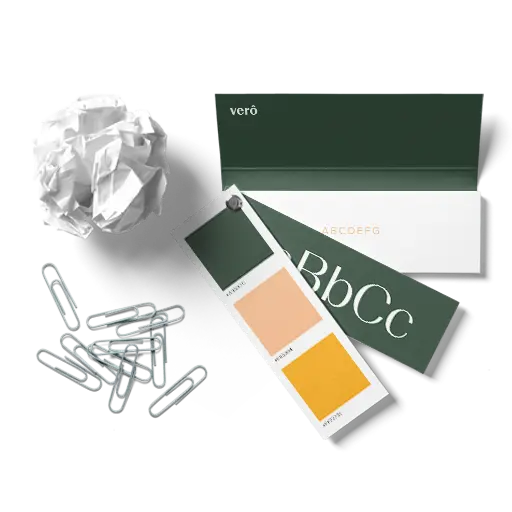
Your brand colors are the fastest signal your visual identity sends. People register color before they register shape or text. The brand color you choose shapes the emotional response your audience has before they engage with a single word of content. That is why your color palette matters more than most solopreneurs think.
A brand color palette is not every color you like. It is three to five colors: a primary brand color, one or two secondaries, and one or two neutrals, chosen because they communicate something specific about your brand personality. Color choices that convey brand personality give your brand visuals a consistent look across every piece of marketing materials you produce.
Every color in your color palette should have a defined role. The primary brand color leads. The secondaries support. The neutrals anchor your text and backgrounds. When those roles are clear, every new piece of visual content you create follows the same system without requiring a new decision each time.
Typography
Your fonts communicate almost as much as your colors. A serif font signals something different from a sans serif. A display font carries a different brand tone than a minimal one. Typography is one of the visual elements that shapes brand personality in ways most people feel but cannot name.
A visual brand uses two fonts consistently: a primary font for headlines and display use, and a secondary font for body copy. That pairing becomes part of your visual language, the fine layer of your visual brand identity that most solopreneurs overlook, and the one that most visibly differentiates brands that look cohesive from other brands that look assembled.
When your typography is consistent, it becomes another visual cue your audience learns to recognize. It builds brand recognition in the same way your color palette does, through repetition and consistency across every touchpoint your brand touches.
Imagery
The photos and visuals you use are part of your visual brand whether you have made intentional choices or not. Stock photos, brand photography, graphics, patterns. All of it contributes to your brand image. Your photography style and visual references shape how people perceive the quality and personality of your brand.
Brand imagery direction means defining the style, mood, and subject matter of the visuals your brand uses. It is the difference between a brand that looks intentional and one that looks like it pulled images from the first page of a stock site. Good brand imagery creates a different emotional response than generic visuals.
Your imagery choices show up in social media posts, on your website, in your marketing materials, and in your print materials. When your visual references are consistent, your audience starts recognizing your content before they see your name. That is the kind of brand presence that builds brand credibility and perceived value over time.
Brand guide
A brand guide is not a finished product. It is a reference document. It captures your logo usage rules, your brand color palette with hex codes, your typography choices, and your imagery direction in one place so that every time you create something for your brand, you are working from the same foundation. A brand style guide keeps your visual brand identity intact as your brand grows.
A good brand guide also includes your brand guidelines for how to use and how not to use each element. It includes examples of correct application alongside examples of what to avoid. Think of it as a brand management tool, a single document that protects the brand consistency you have worked to build.
Without a brand guide, every new piece of content becomes a new decision. With one, the decisions are already made and you just apply them. That is the difference between a visual brand that holds together and one that drifts further from the original intent with every new design.
Pay attention to customer feedback about how your brand looks. If people describe your brand differently than you intend, your visual identity may not be doing its job. The gap between what you think your brand communicates and what your audience actually sees is where visual branding problems live.
Why visual branding matters for your brand
Visual branding is not decoration, it is how your target audience decides whether your brand's visual identity is worth their attention.
Visual identity builds brand recognition
Your visual identity is often the first impression a potential client has of your brand. Before they read your about page, before they hear your brand story, they see your brand visuals. That first impression determines whether they stay or scroll past. A strong visual identity makes your brand unique in a crowded market and creates a brand experience that feels intentional from the very first touchpoint.
A strong brand with consistent brand visuals builds brand recognition faster than one that changes its look from platform to platform. When your visual elements are consistent, your audience starts to associate your brand color, your fonts, and your imagery with the quality of your work. That association is brand equity, and it compounds over time.
Your visual branding also shapes how people talk about you. When someone shares your content or recommends your business, the visual brand identity is what makes you findable. It is the thing that makes someone say "I will know it when I see it." Without strong visual branding, you are harder to remember and harder to refer.
Brand credibility is built in small moments. Every customer encounter, a website visit, a social media post, a proposal, a product packaging touchpoint, either reinforces your brand image or undercuts it. Ensuring visual consistency across all of those moments is what turns a good visual identity into a strong brand identity.
Brand equity comes from visual repetition
Think about the brands you recognize without reading their name. You know them by a unique signifier in their visual identity alone, by the graphic elements, the color, the style. That level of brand recognition does not come from one good design. It comes from applying the same brand's visual identity across every platform, every marketing strategy, and every customer encounter consistently over time.
What order to approach it in
This is where most solopreneurs go wrong. They start with the logo, because the logo feels like the most visible thing, before they have made any of the other visual branding decisions. That is like choosing the cover design for a book you have not written yet.
Strategy before visual identity
The right order for the visual branding process is: brand strategy first, then visual identity. Within visual identity, colors and fonts before logo. Logo before imagery. Brand guide last, once everything else is documented. This sequence is the visual branding strategy that produces results, not the one that feels most exciting.
Every visual decision is only as good as the strategy underneath it. If you do not know who your target audience is, what your brand personality is, or what your core values are, your visual choices are guesses. Good visual branding starts with market research, understanding your target audience, your brand story, and what needs to differentiate you from other brands in your space. A good visual identity comes from knowing what your brand stand is first, then expressing it visually.
The design process is not a creative free-for-all. It is a series of decisions, each informed by the one before it. When you follow the visual branding process in order, each decision narrows the next one. When you skip steps, you end up redesigning things you already paid for.
What makes visual branding work
Consistency. Not perfection or a large budget. Brand consistency.
A strong brand that uses the same two fonts, the same color palette, and the same visual style everywhere builds brand recognition that a scattered brand never will, regardless of how beautiful each individual piece is. Visual consistency is the single most underrated factor in strong visual branding.
The two most common visual branding mistakes
The solopreneurs who struggle with visual branding are almost always making one of two mistakes: they are designing without a strategy, or they are not applying their existing brand visuals consistently. In both cases the brand image suffers. The visual identity exists in pieces, but it does not function as a system. Without a good visual identity that works as a whole, individual design elements cannot carry the weight.
The fix for the first problem is a visual branding strategy grounded in who you are and who you serve. The fix for the second is a brand style guide and the discipline to use it. Both problems are solvable. The ongoing process of maintaining a strong brand identity just requires the right foundation.
Avoid chasing design trends when building your visual identity, trends change. Your brand needs to hold up across years, not months. The visual branding decisions that last are the ones rooted in your brand personality and your brand values, not in what other brands are doing this season.
The visual branding decisions, in order
If you are building your visual brand from scratch or identifying where yours has gaps, here is the sequence that works. This is the same design process I've used with every client, and it is organized to prevent the most common mistakes.
Start with brand strategy
Start with your brand strategy, who the brand is for, what it stands for, what it needs to communicate. The brand strategy is not a visual branding decision, but every visual branding decision depends on it. Without clarity on your brand values and brand messaging, every visual choice becomes a guess.
Then define your color palette. Three to five colors, chosen because they communicate the right thing to the right target audience. Not because they are trending. Not because you like them personally. Every brand color should connect back to your brand personality and the emotional response you want to create. This is where your brand visuals start to take shape.
Then choose your typography. Two fonts. Primary for display, secondary for body. Test them together before committing. Typography is one of the graphic elements that carries the most weight in your visual language. Make sure it matches the brand tone you defined in your strategy.
Then design or refine your logo. Brief the work against your strategy and your color and font decisions. A logo designed in isolation will almost always need to be redesigned when the rest of the brand comes together. Your brand mark should reflect your visual brand identity, not define it in a vacuum.
Then define your imagery direction. What photography style, what mood, what subject matter belongs in your brand and what does not. Include visual references so anyone creating content for your brand can match the standard. This is one of the other visual elements that most solopreneurs skip entirely.
Then document everything in a brand guide. Your brand guidelines become the single source of truth that keeps everything consistent. Without it, brand management becomes guesswork. When your brand grows and you bring on contractors or collaborators, the guide is what makes sure they produce work that matches.
What comes next
If your visual brand exists but does not feel cohesive, if something is off but you cannot name what, the problem is usually not the individual elements. It is the strategy underneath them. The Before You Design Anything workshop is built for that moment. It takes you back to the foundation so that the visual decisions you have already made either click into place or become easier to change.
If you are building from scratch and want the complete system, strategy, colors, fonts, logo, design, and brand guide, the Branding Toolkit covers every decision, in order, with the tools to apply it.