Details

Color is the first thing people feel about your brand, before they read a single word. This guide takes the guesswork out of choosing a palette by breaking down the psychology behind color so every choice you make is intentional, not accidental.
What's inside
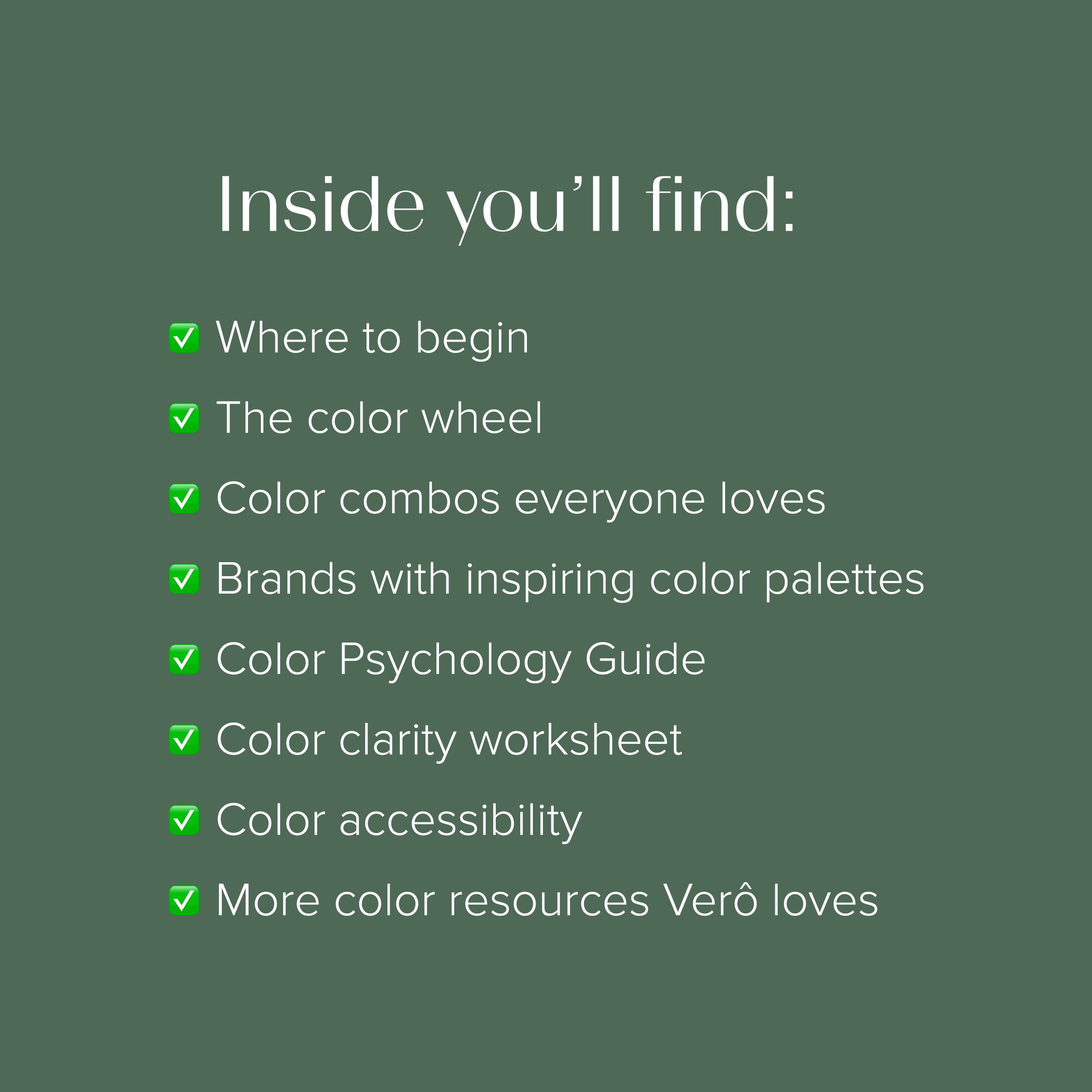
• The psychology behind each color family and what they communicate • How to build a palette that matches your brand's feeling, not just your personal taste • Color combination formulas you can apply directly • Examples across different brand personalities • A simple process for narrowing down from "I like everything" to a palette you're confident in
Who is it for
For founders and small business owners who keep second-guessing their colors — or who picked them on a whim and aren't sure they're sending the right message. No design background needed.
How it works
Click the button to purchase securely through Stripe. Once your payment is confirmed you'll be prompted to create an account with your email on Vero's training platform. Everything lives there and is yours to access at any time. Already have an account? Access your portal at learn.verobranding.com.
$9 · one-time payment
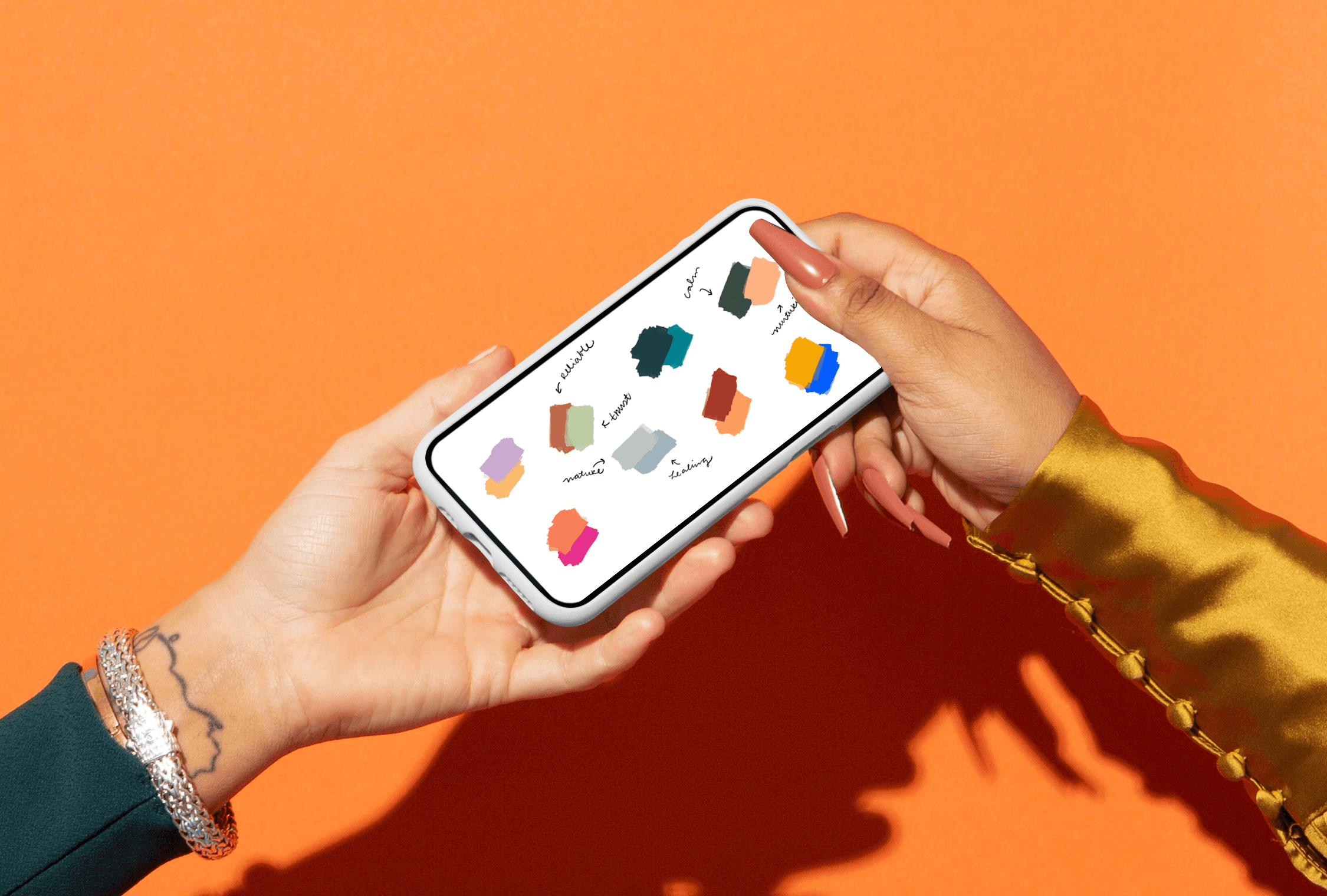
Most solopreneurs choose colors they like and hope it works
They pick a palette on instinct, swap it out six months later when it stops feeling right, and never figure out why. The reason is almost always the same: they chose colors based on personal taste instead of what those colors actually communicate about their brand.
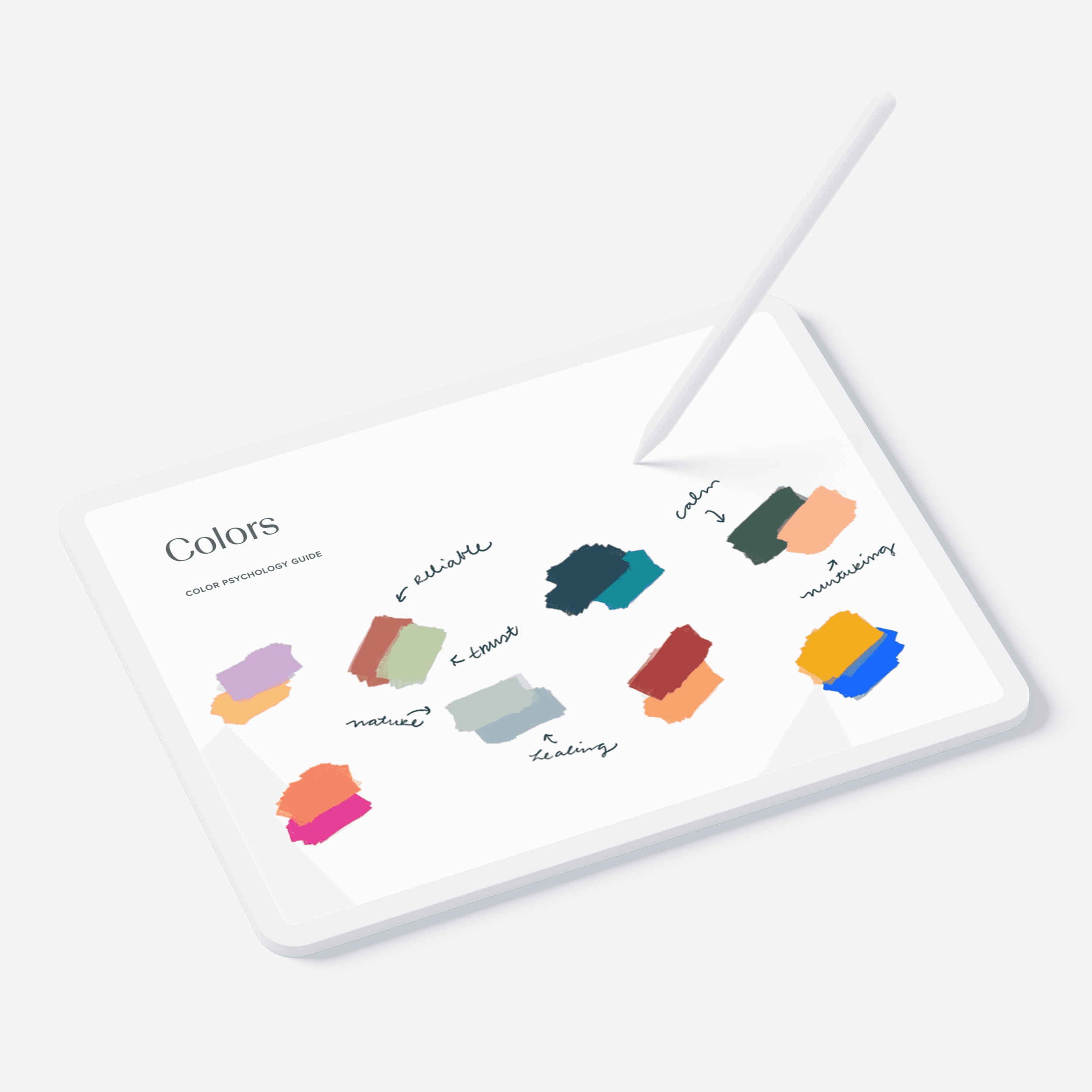
The thinking behind every color
This guide breaks down what each color family communicates, gives you a framework for choosing your primary, and walks you through building a full palette around it. By the end, you'll have a palette and the reasoning behind every choice.
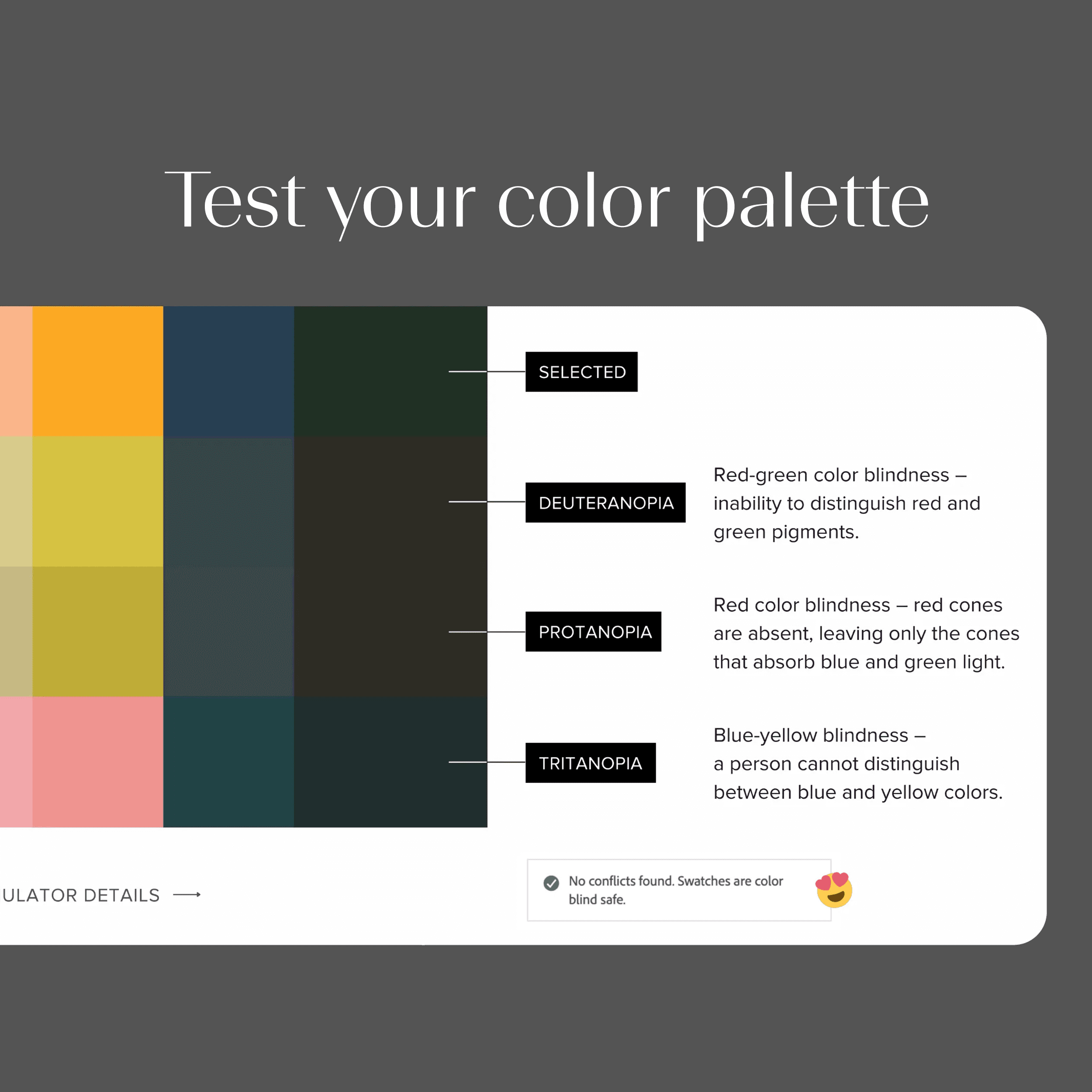
Built for solopreneurs ready to commit to a palette
For service providers choosing colors for the first time, business owners refreshing a palette that no longer fits, and founders who want their colors to do real work, not just look nice.
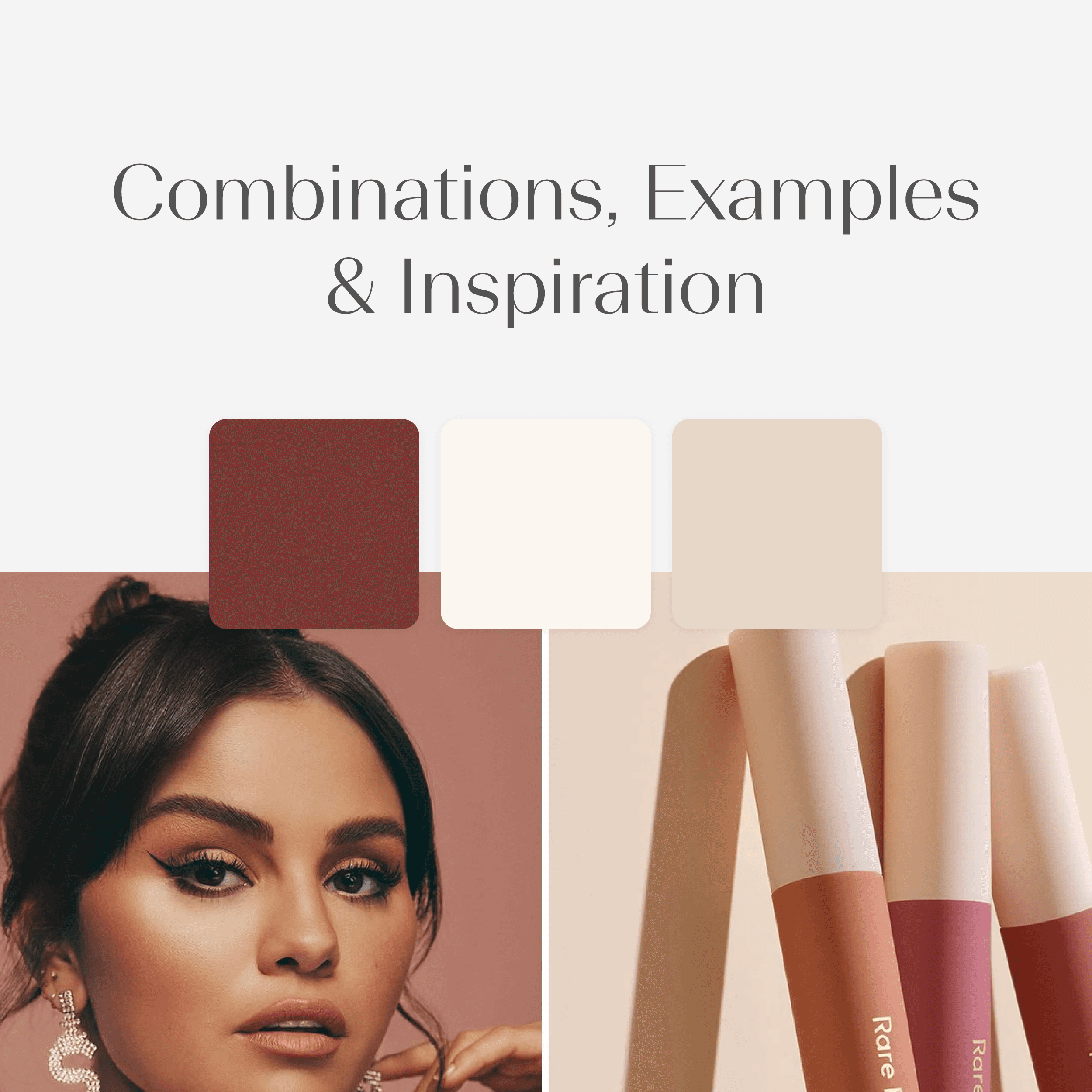
A palette you'll stop questioning
When you're done, you'll have a primary color, supporting colors, and the reasoning behind each one. You can reference it every time you add a color to your brand.